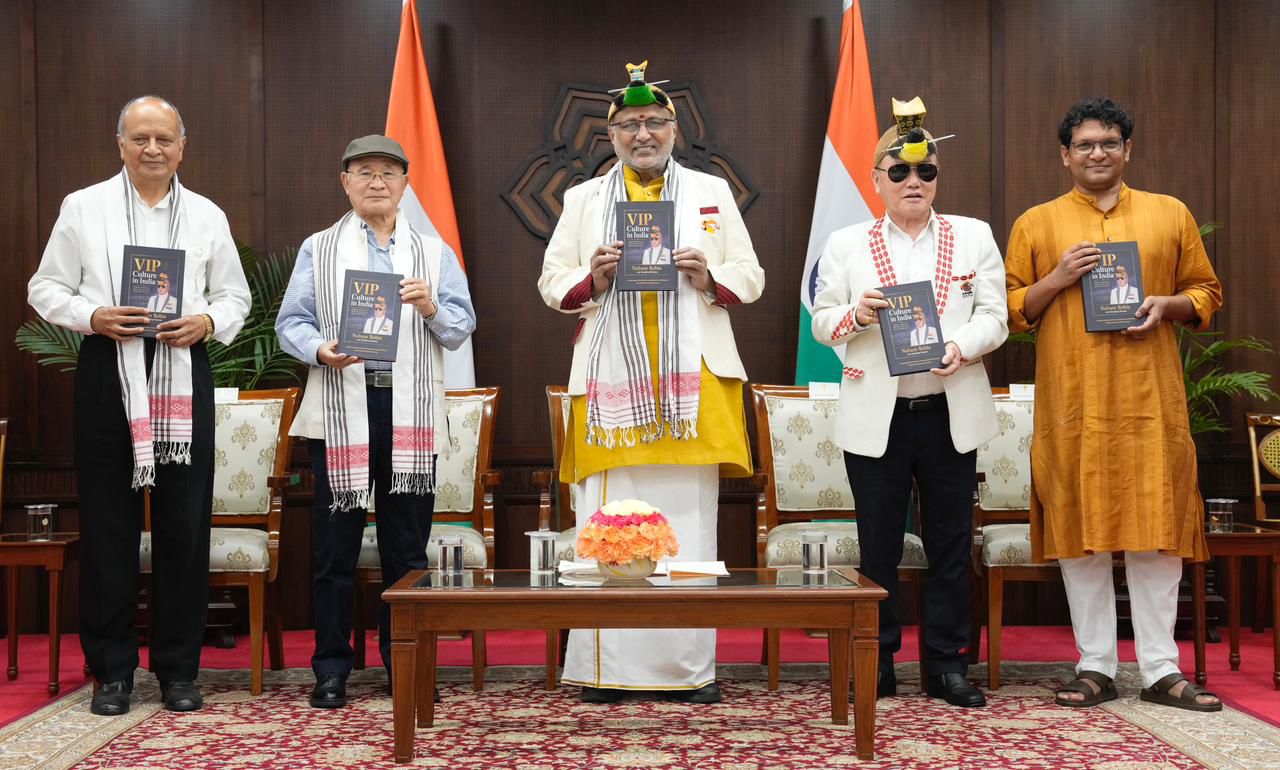
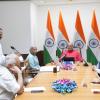
Vice President Shri C. P. Radhakrishnan released the book “VIP Culture in India: Power, Privilege and the Distance from Democracy” at Uprashtrapati Bhavan, New Delhi on 24.06.2026
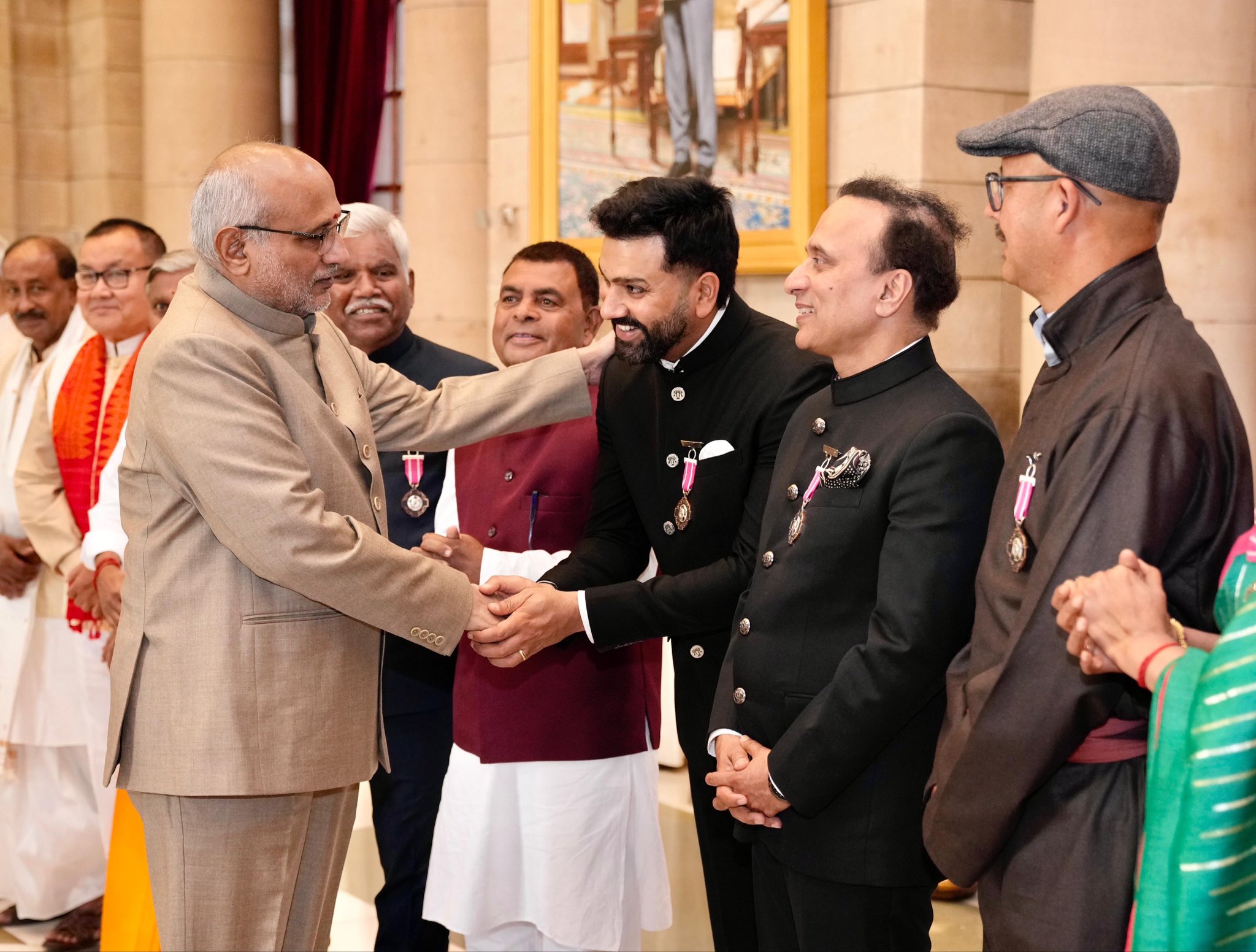
Vice President Shri C. P. Radhakrishnan attended the Civil Investiture Ceremony-II for Padma Awards 2026 at Rashtrapati Bhavan on 23.06.2026
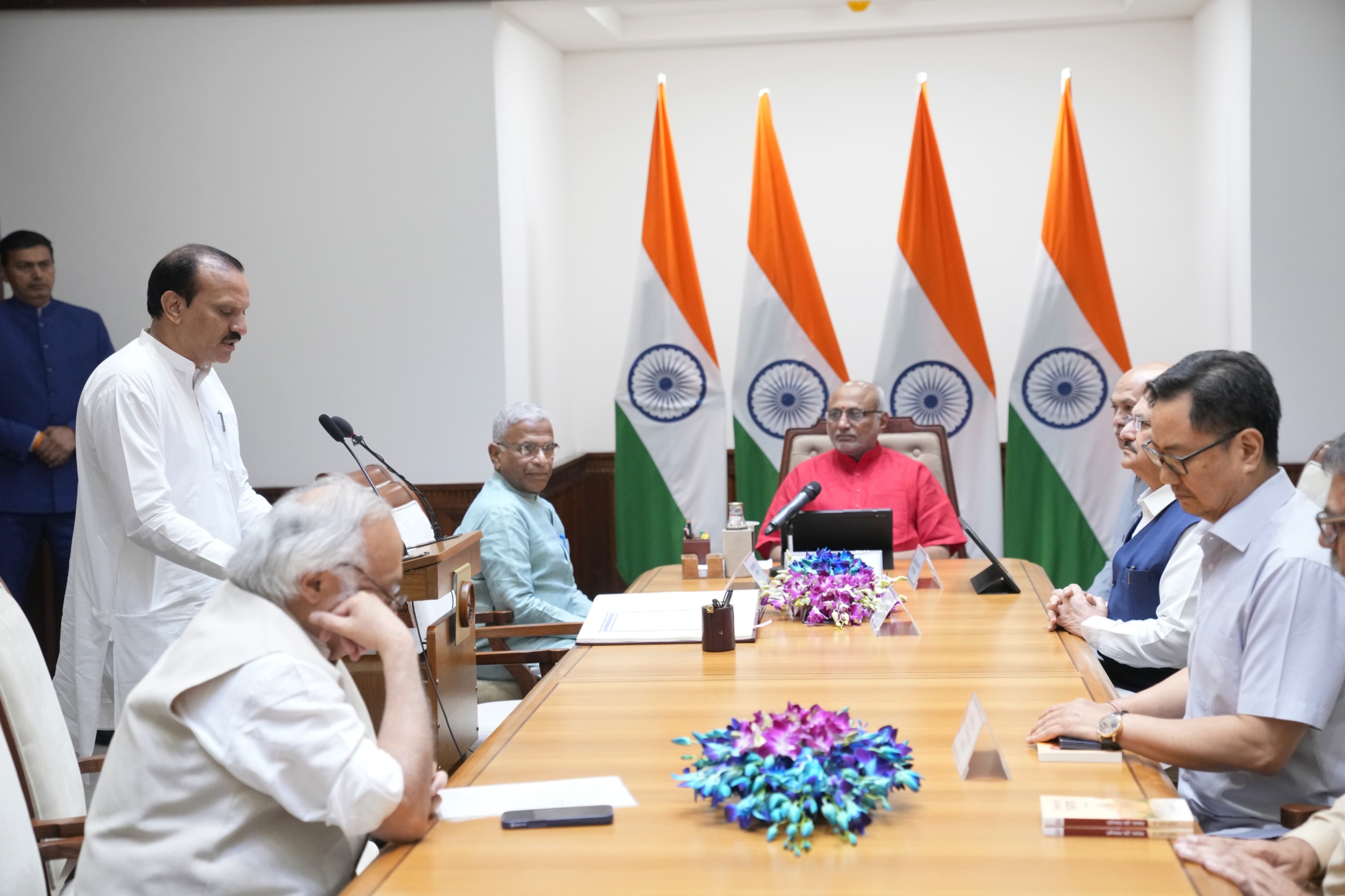
Vice President and Chairman, Rajya Sabha, Shri C. P. Radhakrishnan administered the oath to Shri Neeraj Dangi, Member of the Rajya Sabha, at Parliament House on 22.06.2026
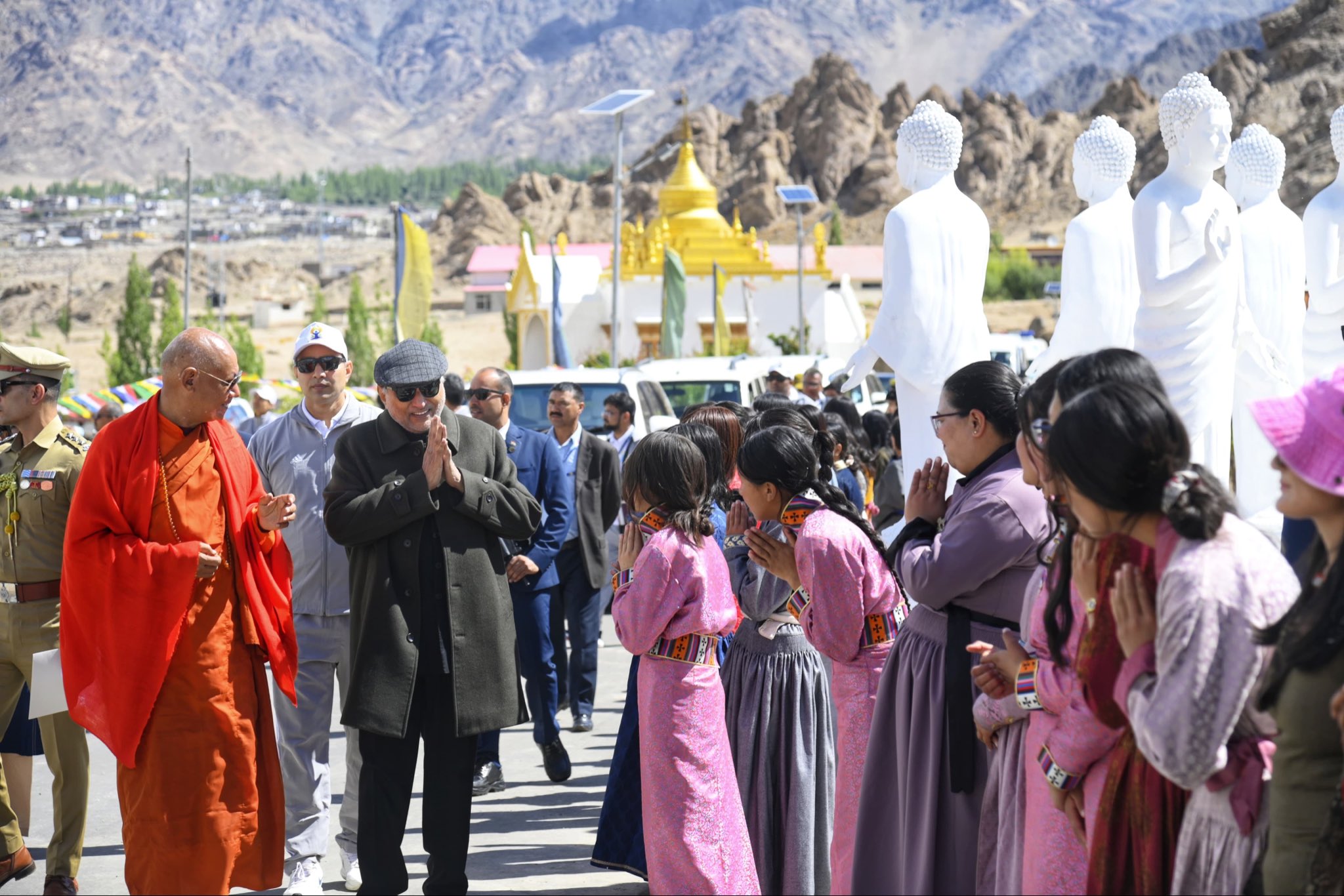
Vice President Shri C. P. Radhakrishnan visited the Mahabodhi International Meditation Centre (MIMC) and Buddha Park of Peace in Devachan Campus, Leh on 21.06.2026
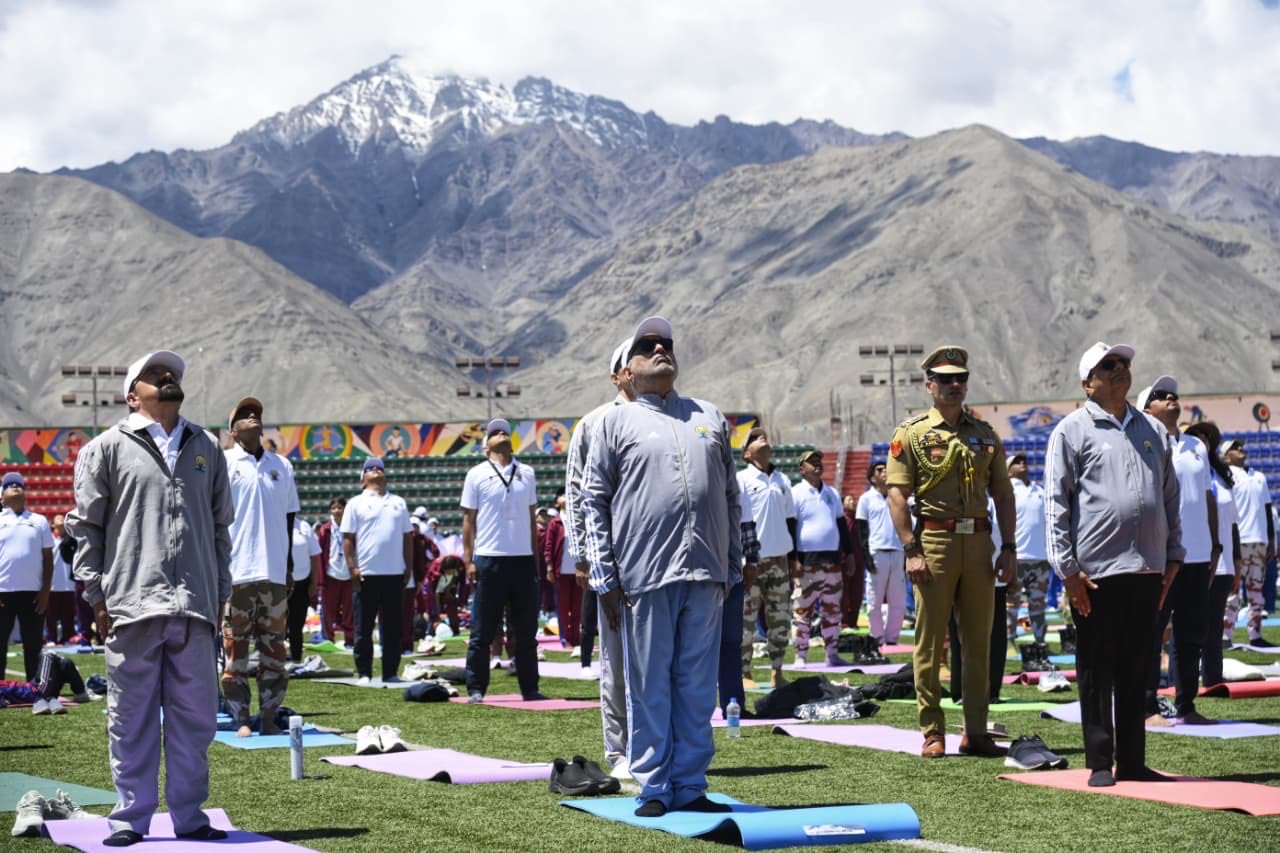
Vice President Shri C. P. Radhakrishnan participated in the International Day of Yoga celebrations at Spituk Stadium in Leh, Ladakh on 21.06.2026
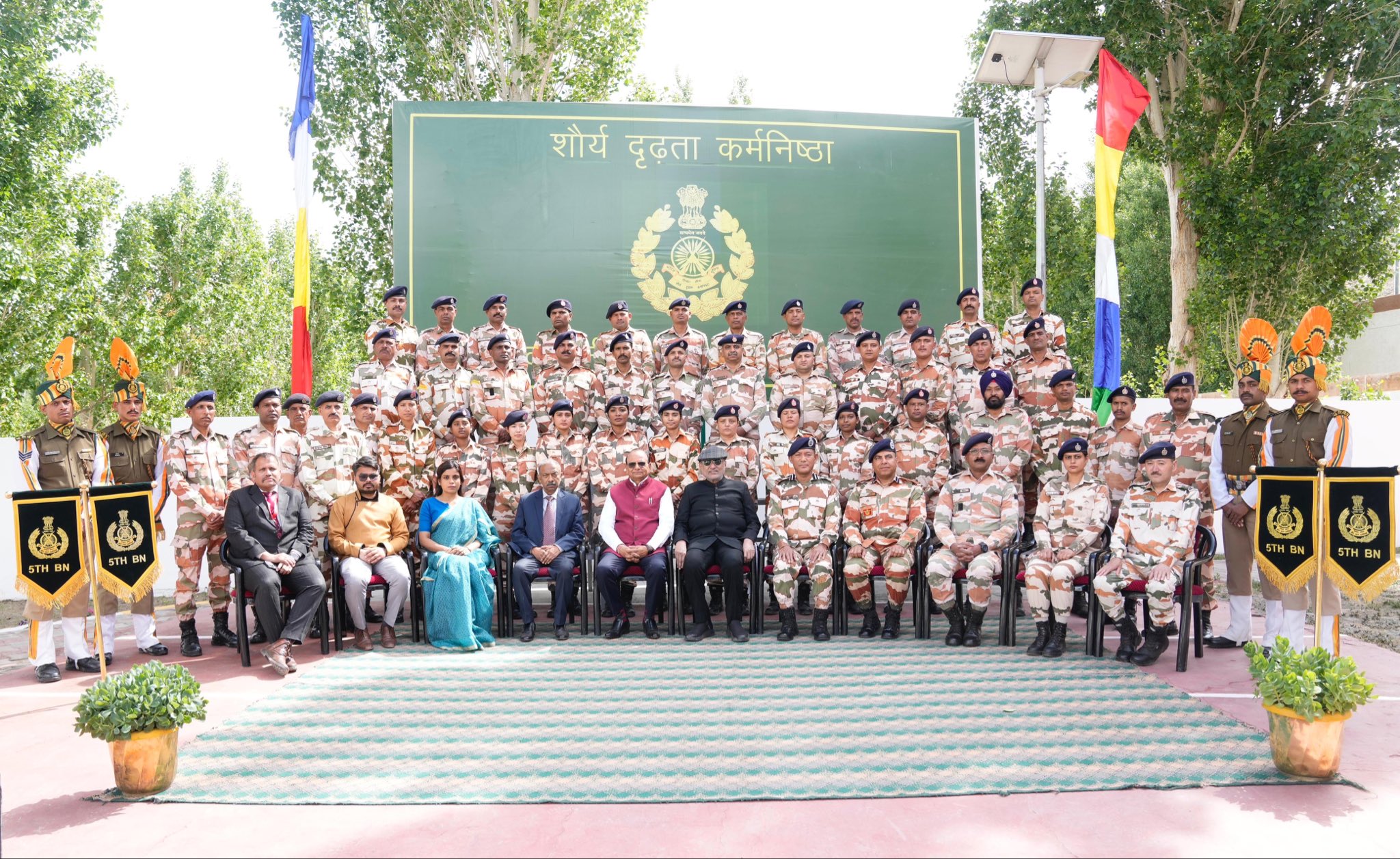
Vice President Shri C. P. Radhakrishnan met with the brave personnel of the 5th Battalion of the Indo-Tibetan Border Police (ITBP) in Ladakh on 20.06.2026
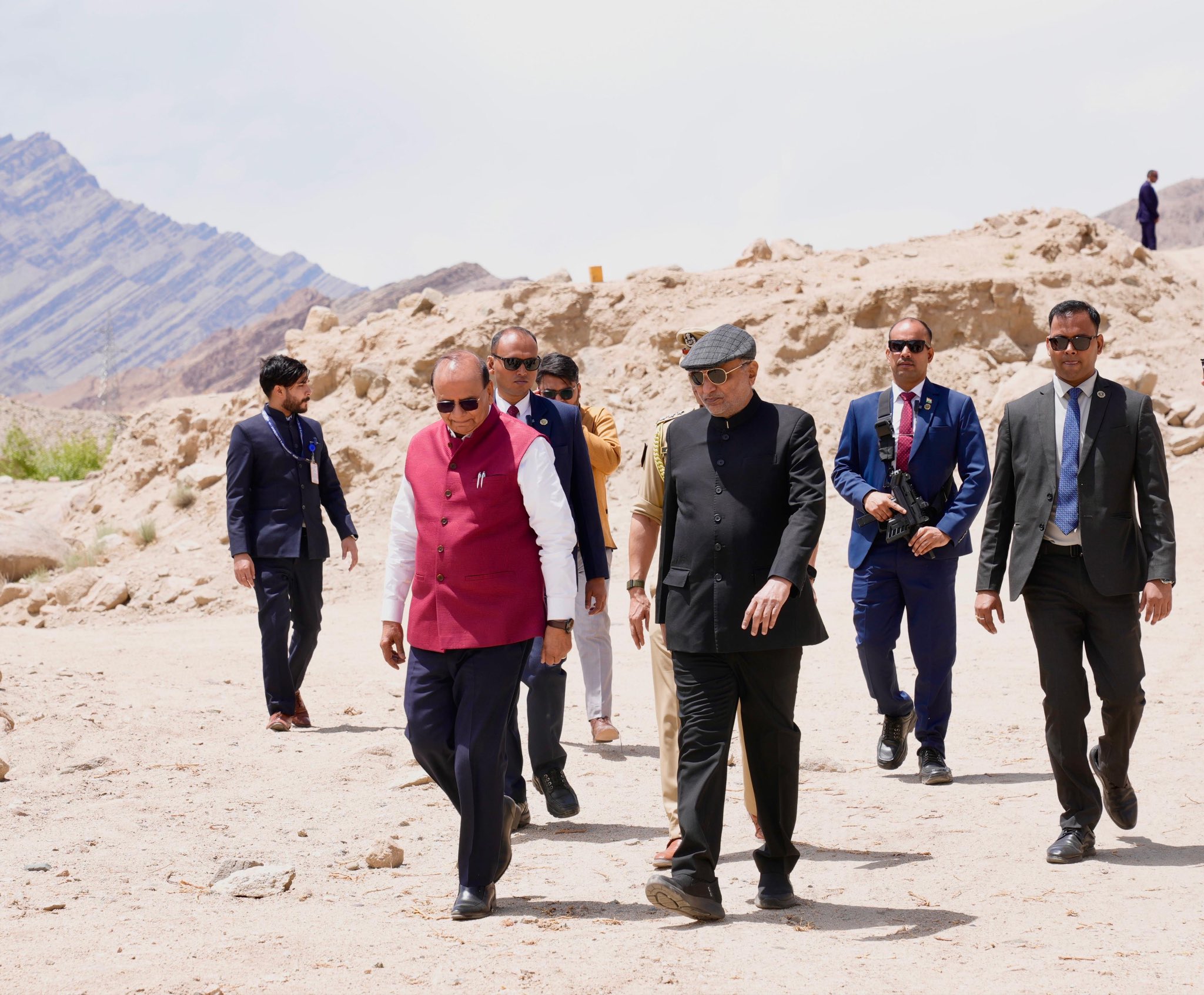
Vice President Shri C. P. Radhakrishnan visited the first rock check dam on the Sindhu River at Upshi, Ladakh, constructed under the Sindhu Jal Samriddhi Abhiyan on 20.06.2026
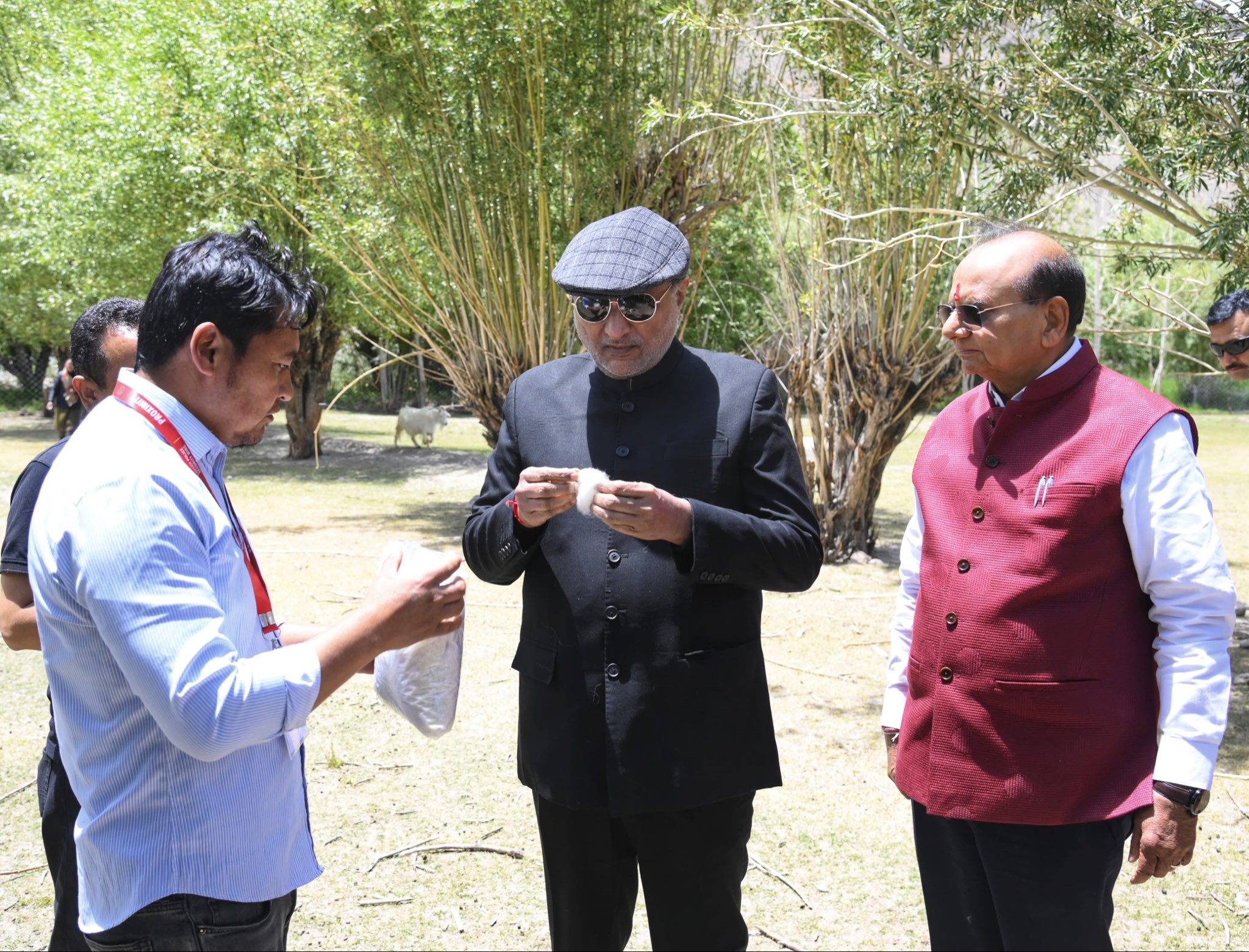
Vice President Shri C. P. Radhakrishnan visited the Pashmina Goat Farm at Upshi and witnessed the remarkable efforts being undertaken to preserve and promote the unique Pashmina heritage of Ladakh on 20.06.2026
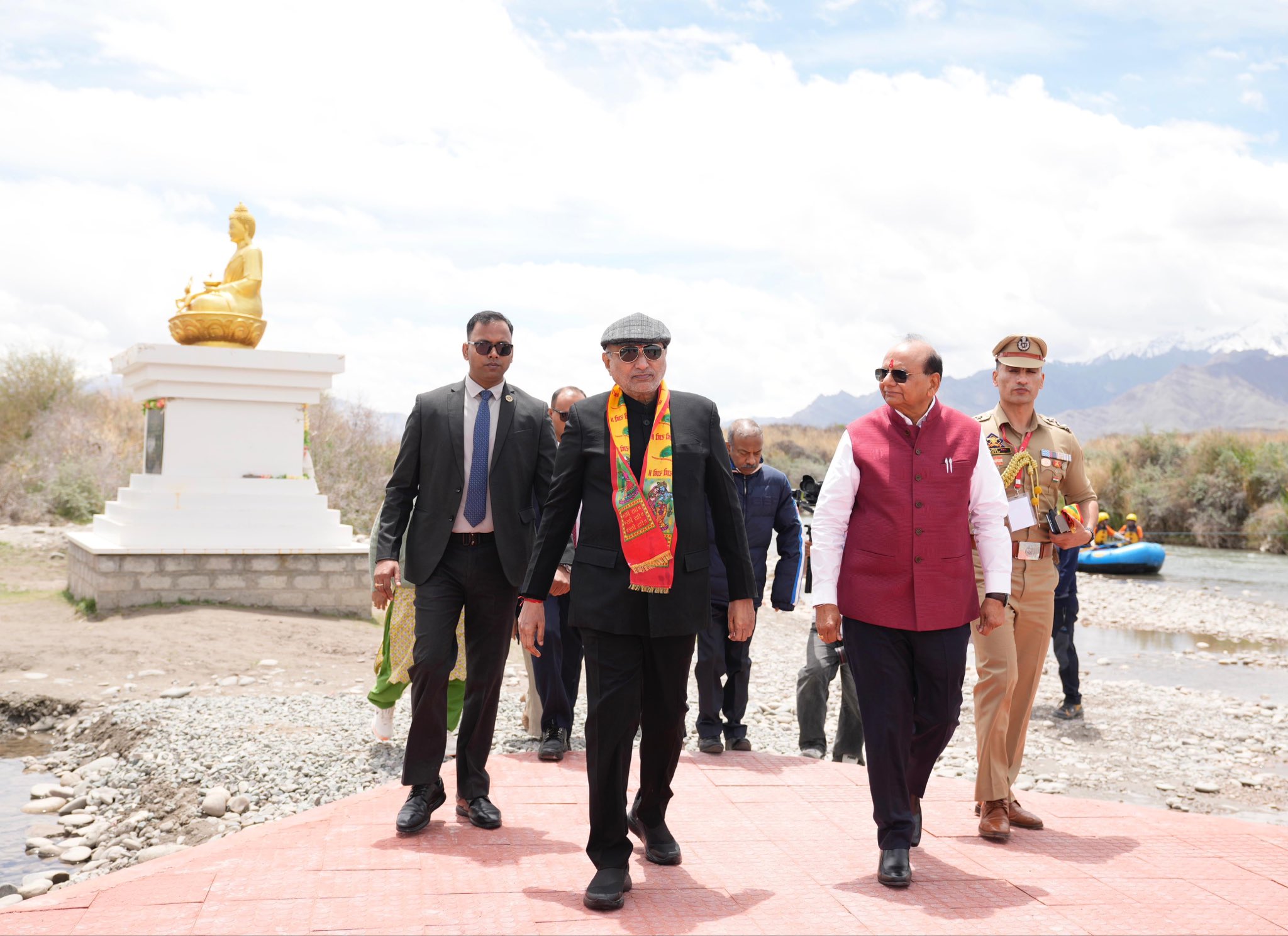
Vice President Shri C. P. Radhakrishnan visited the Sindhu Ghat near Leh and offered prayers on the banks of the revered River Sindhu on 20.06.2026
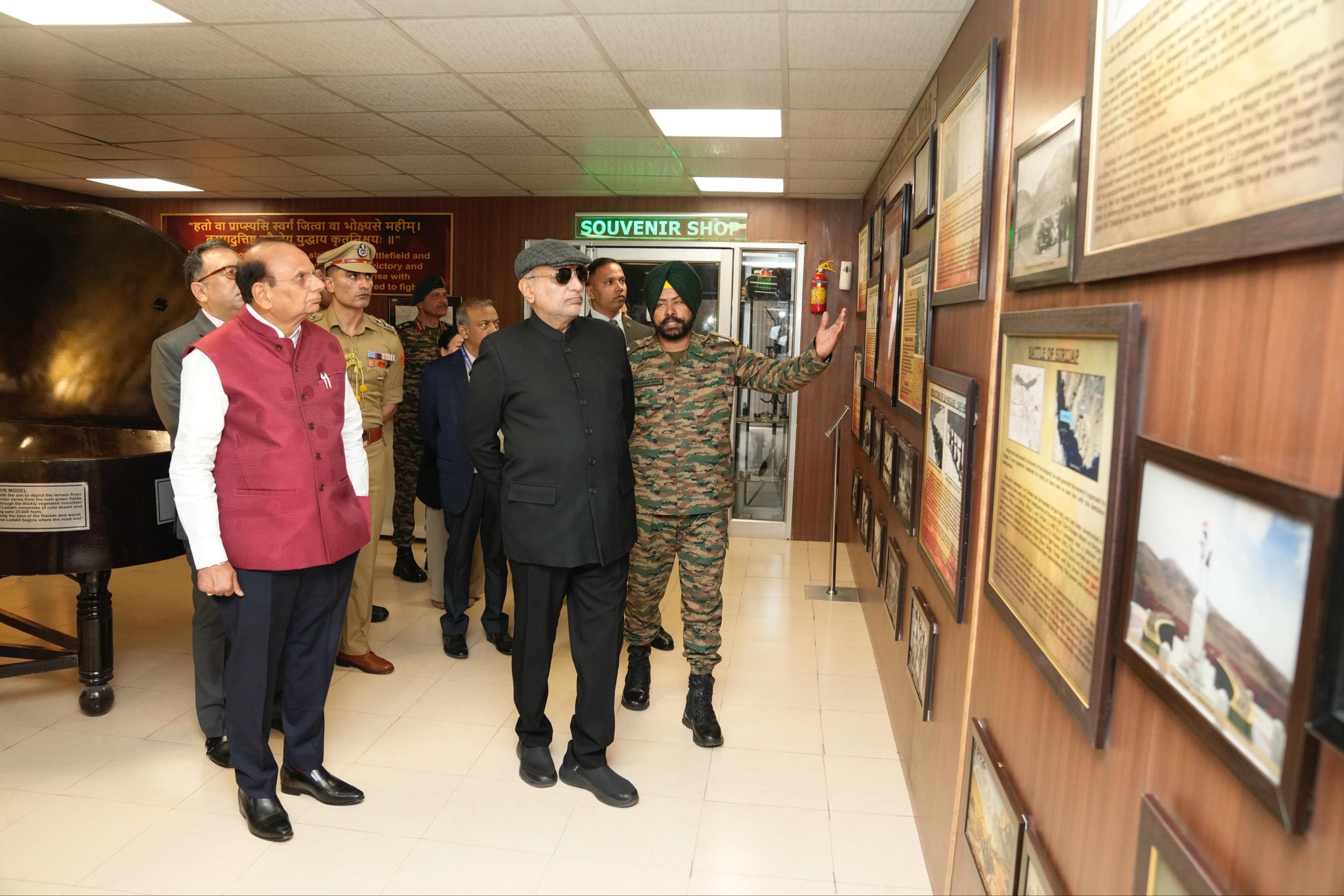
Vice President Shri C. P. Radhakrishnan visited the galleries depicting operations during the Indo-Pak and Indo-China Wars at Hall of Fame, Leh on 20.06.2026